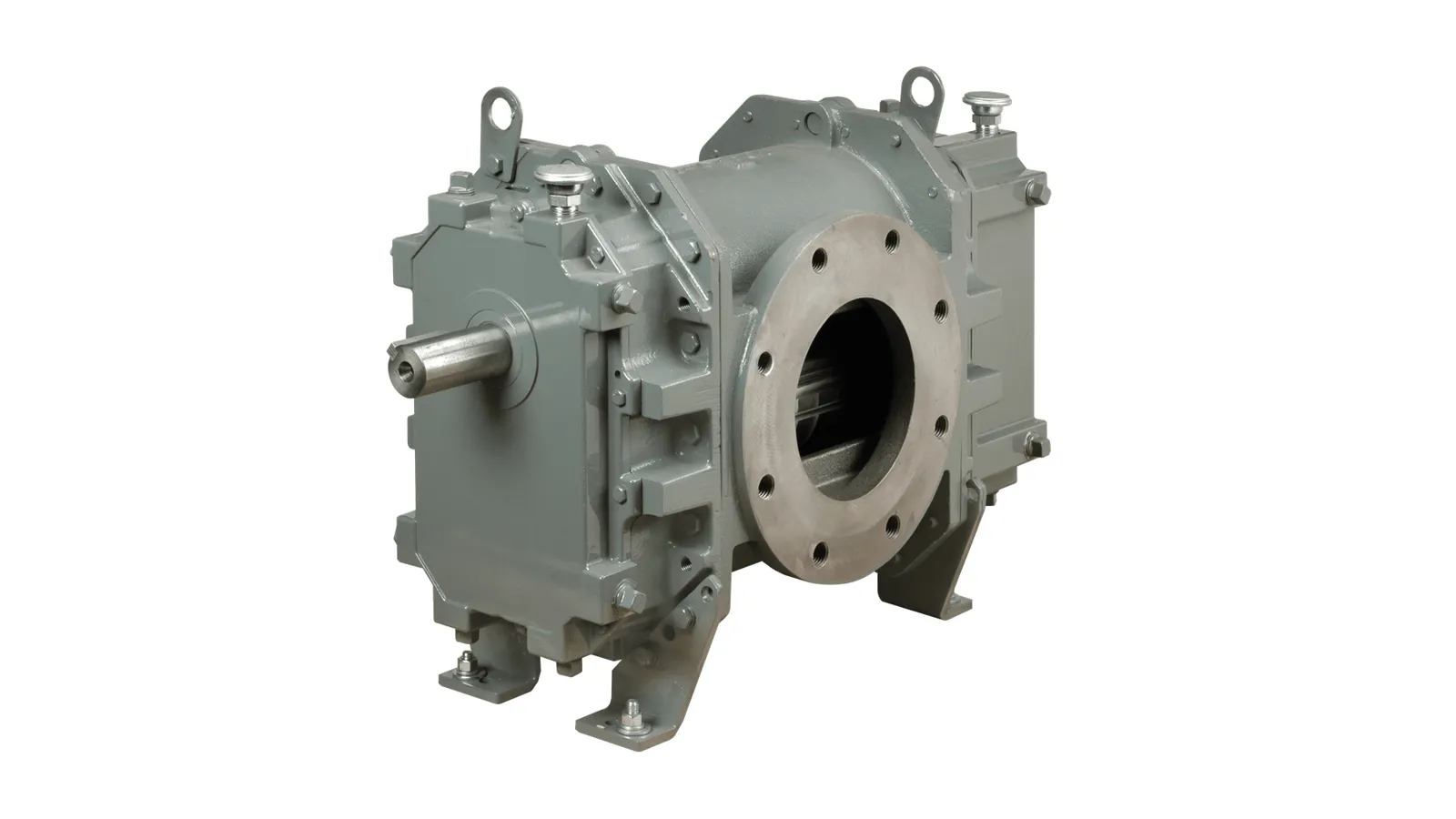
Walk through a treatment plant or a pneumatic conveying facility and you may find a rotary lobe blower running steadily in the background. Its work is not dramatic, but the process often depends on it. Stop the airflow and a basin, transfer line or industrial operation can quickly become the bottleneck.
Roots rotary lobe blower applications usually involve moving relatively large volumes of air at lower pressure differences than many industrial compressor systems. Understanding that operating range is more useful than choosing a blower by motor horsepower or by the size of the machine in a catalog.
How does a rotary lobe blower work?
Inside the housing, two synchronized lobed rotors turn without touching each other. They trap and move pockets of air from the inlet to the outlet. Timing gears maintain rotor alignment, while bearings, seals and clearances help the machine operate reliably.
The blower is a positive-displacement machine. Its pressure rise comes from the resistance in the downstream system rather than from internal compression in the same way as a typical high-pressure air compressor. It therefore needs proper relief protection and operation within the manufacturer's pressure and temperature limits.
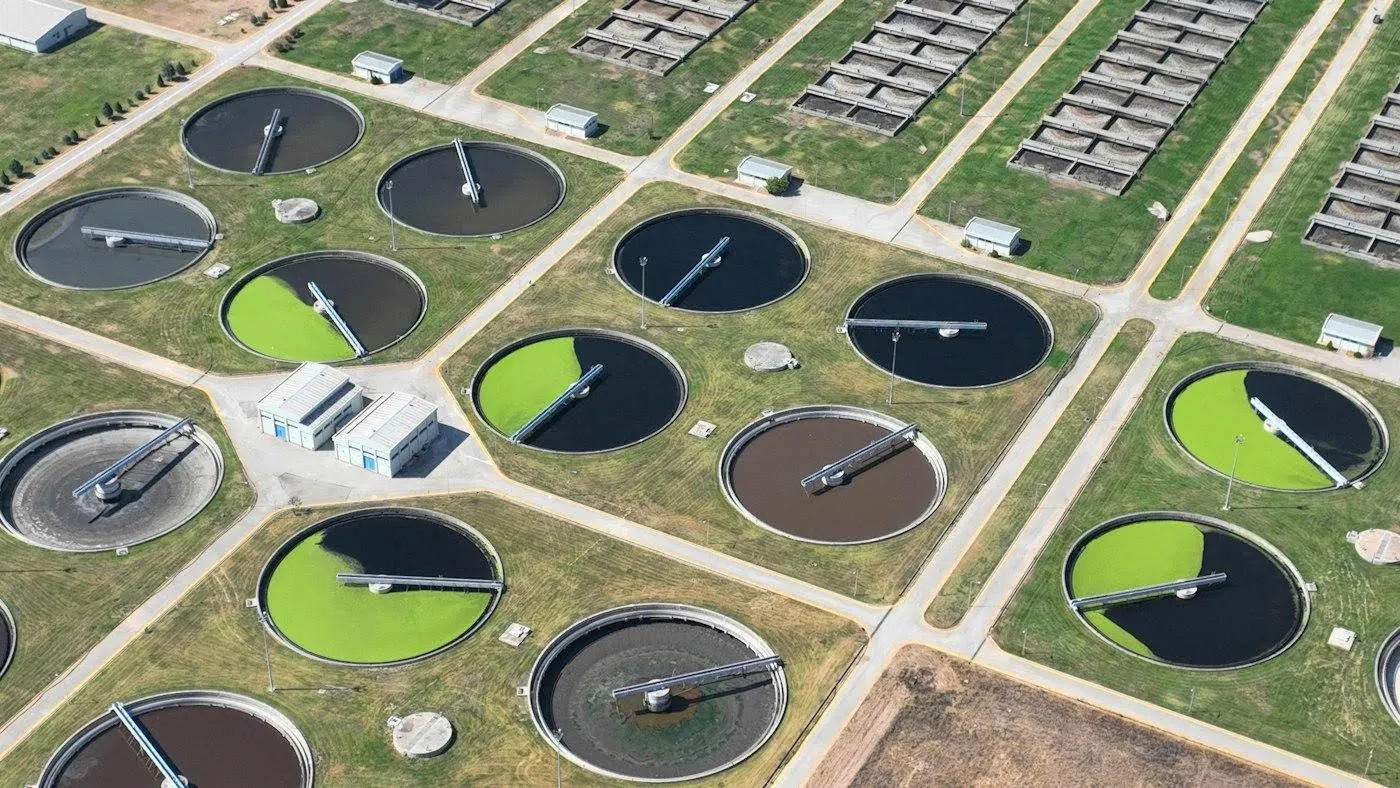
Application 1: wastewater aeration
In a wastewater treatment facility, blowers supply air that supports biological treatment. The duty is driven by required airflow, basin conditions, diffuser system pressure and the way oxygen demand changes through the day.
A blower that delivers the right capacity at the design point is only part of the answer. Energy efficiency, available turndown, redundancy and the condition of the aeration network also matter. We supply and service Roots equipment for wastewater and water treatment facilities in Southern California.
Application 2: pneumatic conveying
Manufacturing plants may use rotary lobe blowers to supply air for moving powders, granules or other suitable bulk materials through a designed conveying system. The required flow and pressure depend on the material, line length, bends, loading and conveying method.
An improperly sized system can waste energy or create blockages and excessive wear. The conveying engineer should specify the process duty; the blower dealer can then match the unit and package.
Application 3: vacuum and industrial process air
Some Roots equipment is used in vacuum systems or as part of staged industrial processes. The exact duty can require different seals, operating limits or equipment arrangements from ordinary air service.
Not every model is appropriate for gas handling, hazardous atmospheres or unusual inlet conditions. Those applications require an engineered selection that accounts for process safety and the manufacturer's specifications.
Choosing among URAI, RAM and larger Roots models
We carry Roots URAI, RAM and RCS product families. These are not merely three price points. Frame size, supported flow and pressure range, thermal behavior and duty determine which family may fit.
Our existing comparison of URAI, RAM and RCS explains the model differences. Use that article to understand the lineup, then bring your actual process duty to a product specialist before selecting equipment.
Bare blower or packaged system?
A bare blower needs the rest of the installation: drive motor, coupling or belt arrangement as appropriate, base, inlet and discharge connections, controls and protective components. A package can bring many of those elements together.
Ask what is included in each quote. Silencers, filters, guards, relief protection, instruments, electrical work and installation support can materially change the total. A lower bare-unit price is not a fair comparison with a properly specified complete package.
What readings should operators track?
Unusual vibration, bearing temperature, motor current, inlet restriction, abnormal noise and rising discharge temperature can all prompt investigation. Trends are often more useful than a single reading because every installation has its own normal operating conditions.
Maintenance checks need to follow the model's manual. Use the correct lubricant, check levels and service intervals, and follow lockout procedures before maintenance. Our existing blower-oil guide is a better source for lubricant details than a generic schedule.
What causes unnecessary blower energy use?
Aeration diffusers or conveying filters that become restricted can increase the pressure required from the blower. Poorly matched controls or oversized equipment may waste energy during reduced demand.
Before replacing a machine, review changes in process duty, suction and discharge conditions, and downstream resistance. A blower that appears to have lost capacity may be dealing with an entirely different system problem.
Rebuild, service or replace?
An older blower with worn bearings or changes in internal clearance may be a candidate for inspection and rebuild. The decision depends on physical condition, parts support, process criticality, efficiency and the economics of downtime.
Our service center handles Roots blowers, including rebuilds and reconditioned equipment. For a unit with recurring issues, ask for findings and alternatives rather than assuming replacement is always the answer.
FAQ
Is a rotary lobe blower the same as a rotary screw compressor?
No. Both are rotary machines, but their operating principles and typical pressure duties differ. Select by the process conditions rather than the names alone.
Are Roots blowers suitable for wastewater aeration?
Yes, certain Roots models are commonly applied to aeration service when appropriately sized and installed for the specific plant.
Can a blower handle combustible or hazardous gases?
Only models and packages engineered for that particular duty should be considered. Standard air-service equipment must not be assumed suitable.
What is included in a packaged Roots blower?
Packages may include a motor, base, silencers, controls and protective components. Confirm the exact supplier scope.
How often should a Roots rotary lobe blower be serviced?
Follow the manufacturer's manual and the actual duty, model and operating conditions. There is no universal interval for every Roots blower.
Talk to a local Roots distributor
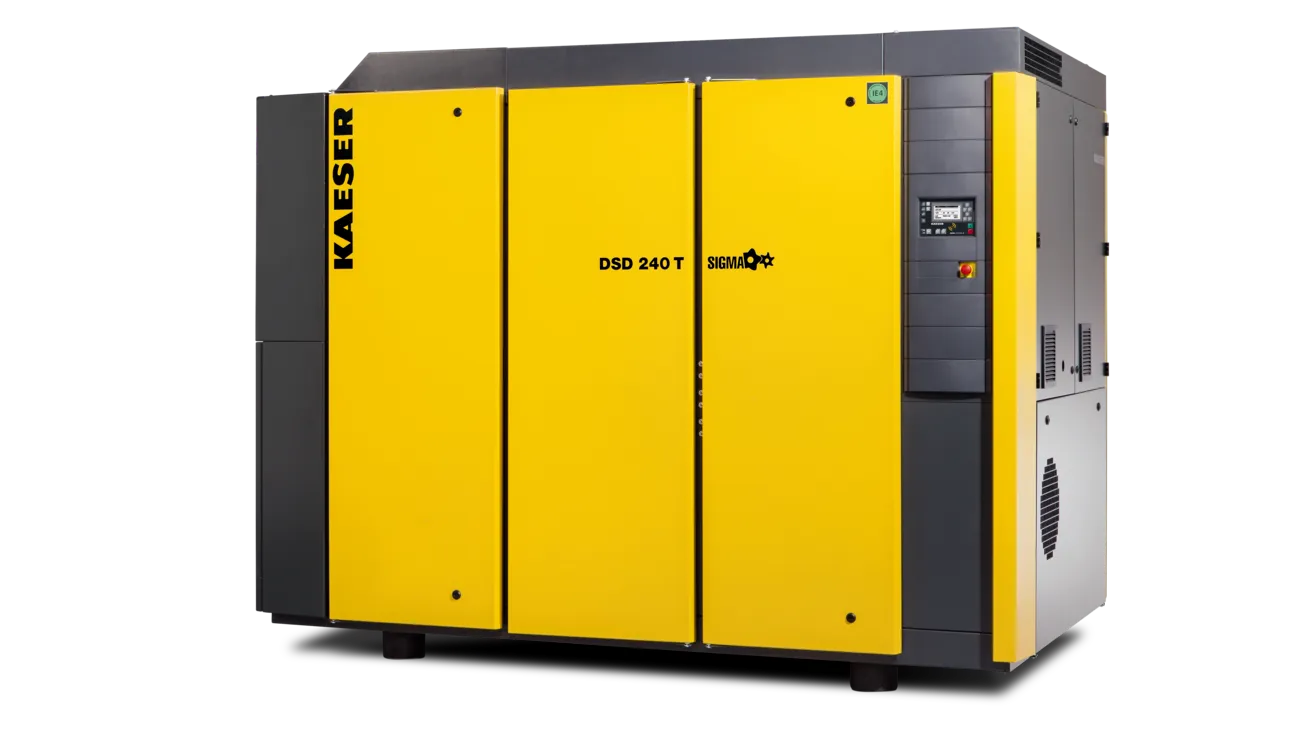
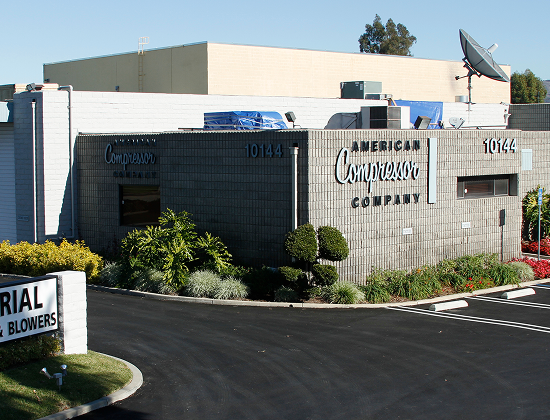
We are an authorized Roots distributor in the Los Angeles area, supporting new blowers, complete packages, parts, service and repairs. Our Santa Fe Springs operation also supports Kaeser compressors when a facility has separate process-air and higher-pressure plant-air needs.
Start with required flow, operating pressure, inlet conditions, duty cycle and site details. Browse the Roots blower catalog and contact us to discuss a suitable package for your application.