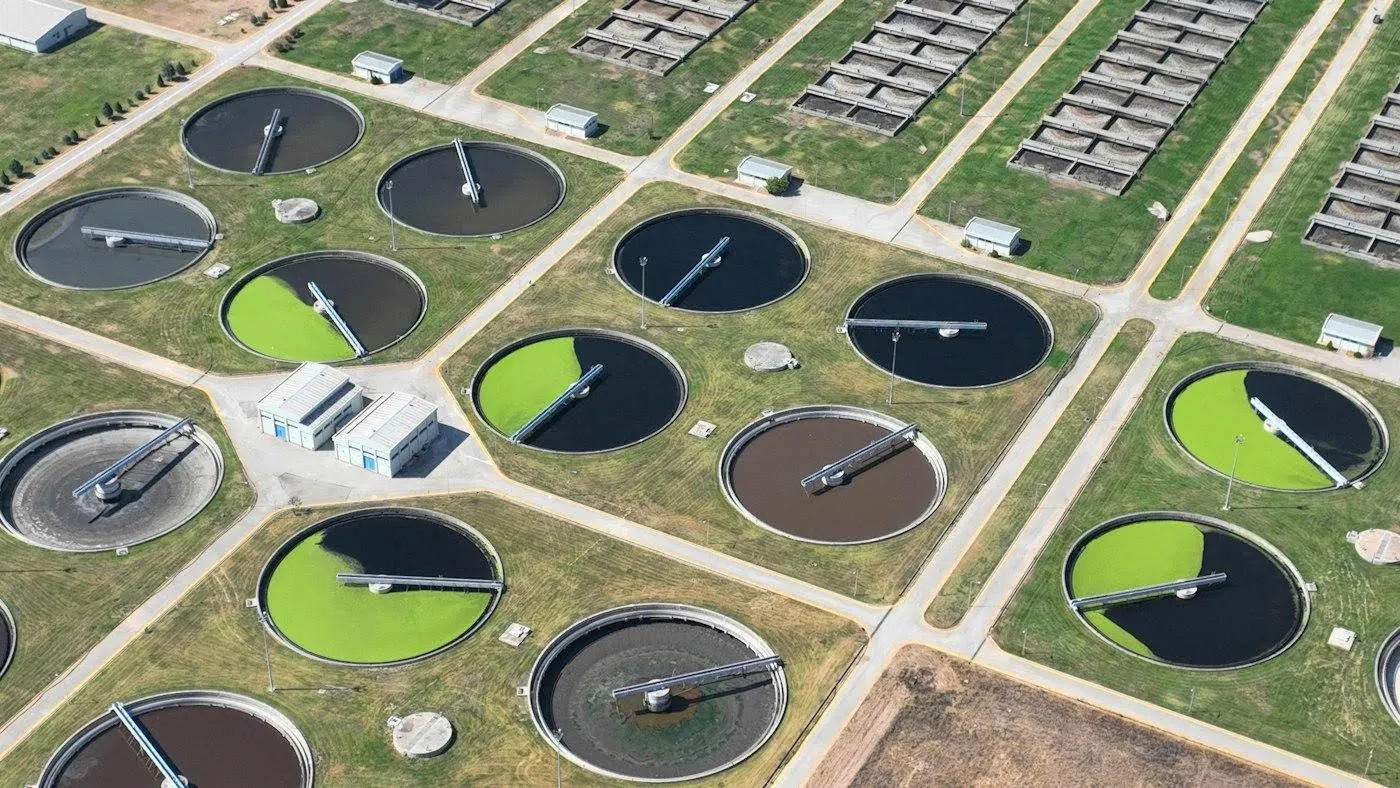
A wastewater plant can have two very different air problems on the same site. One system needs a high volume of air moving into an aeration basin. Another needs clean, steady compressed air to operate valves and instruments. Calling both of them “the compressor” can create confusion before an equipment quote is even written.
When evaluating air compressors for wastewater treatment, separate aeration duties from plant and instrument air. Roots rotary lobe blowers often serve the low-pressure, higher-volume process side. Industrial compressors, dryers and filters can serve pneumatic controls and other utility needs. Getting the distinction right helps operators specify equipment that fits the process rather than the category name.
Why wastewater aeration needs a blower
In many biological treatment processes, microorganisms need oxygen to break down organic matter. Aeration equipment supplies air to diffusers or another system that introduces oxygen into the water. The blower must overcome the system's pressure requirements while delivering the required airflow.
Operators should not assume more airflow always improves performance. Aeration is energy-intensive, and the right output depends on treatment load, basin design, diffuser condition and process controls. Specify the actual duty with a qualified plant engineer.
Where a rotary lobe blower fits
A Roots rotary lobe blower is a positive-displacement machine that transports air between rotating lobes and the casing. It is commonly applied in low-pressure, high-volume duties including wastewater aeration and pneumatic conveying.
The Roots product range we carry includes URAI, RAM and larger RCS options. Those are equipment families, not interchangeable substitutes. Flow, differential pressure, inlet conditions, duty cycle and package design determine which model is appropriate.
When do you need an air compressor instead?
Many wastewater facilities also use compressed air for instrument panels, pneumatic valves, chemical dosing equipment or workshop needs. Those applications typically call for a different pressure and air-quality specification from the aeration system.
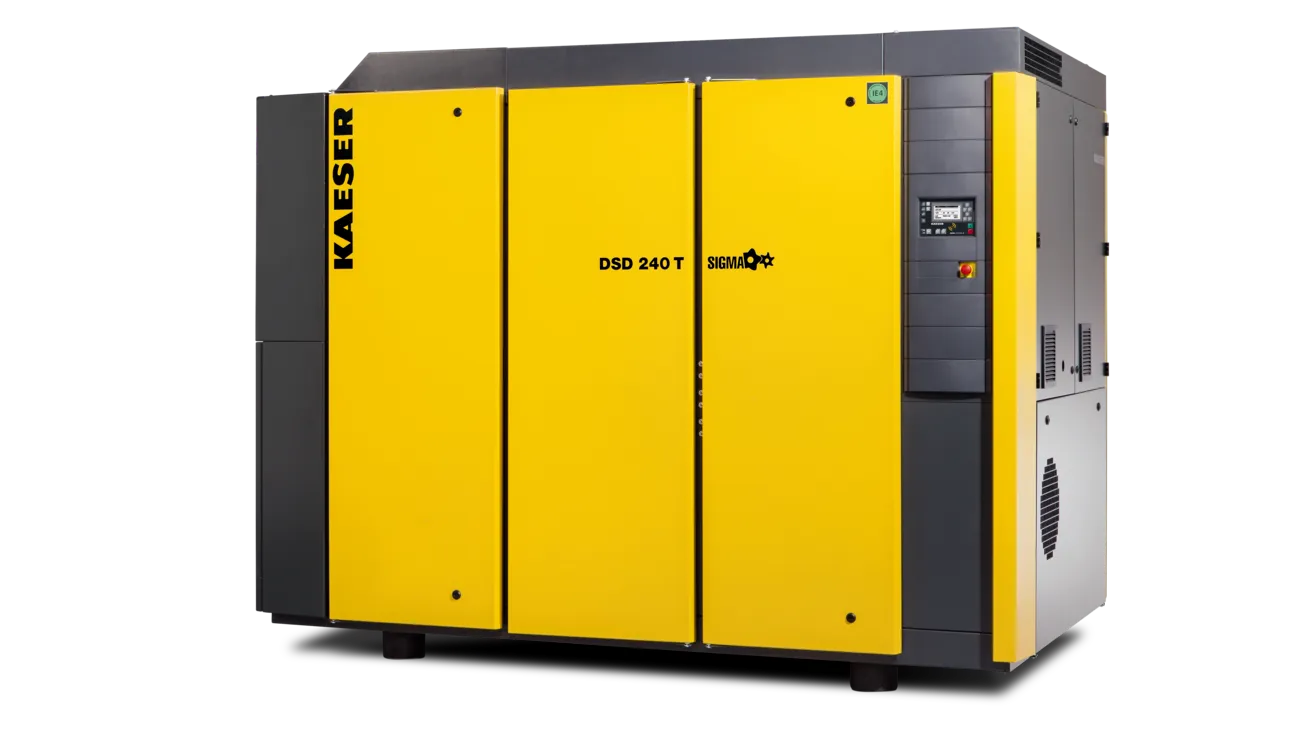
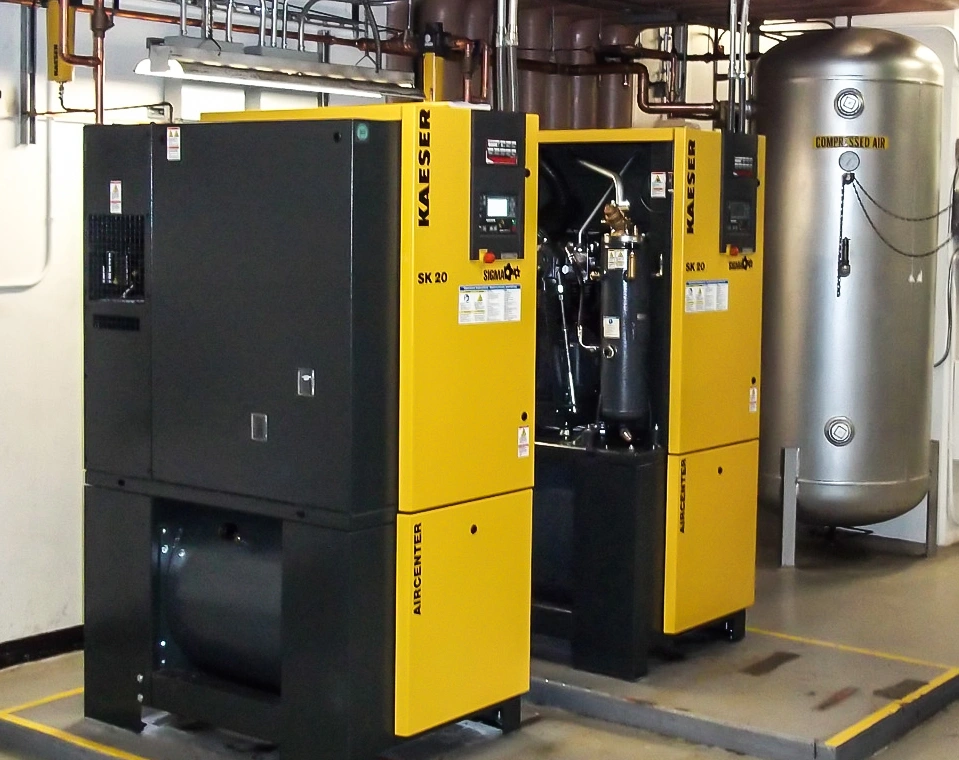
A Kaeser rotary screw compressor may be suitable for plant air where continuous operation is required. Dryers, filters and storage should be matched to the most sensitive downstream equipment. One treatment train may not be appropriate for every air user.
Avoid an expensive mix-up in specifications
Before requesting a quote, list each air consumer separately. Include aeration basin flow and pressure needs; pneumatic valve and instrument requirements; peak and normal demand; and the consequences of an outage.
A blower listed in CFM does not necessarily replace a compressor delivering the same nominal CFM at much higher pressure. Pressure ratio, process conditions, power, reliability and operating range are fundamental to the choice.
What affects the cost of aeration air?
Aeration operating cost depends on the flow and pressure the process demands, equipment efficiency, controls, piping losses and diffuser condition. Clogged or damaged diffusers can raise required pressure; an oversized blower may operate inefficiently if it cannot follow demand.
Rather than comparing only motor ratings, review actual operating points and how the system responds when process demand changes. Blower selection is a system decision, especially for facilities with multiple basins or units.
Routine checks for wastewater blowers
Maintenance requirements vary by model and service conditions. Operators should monitor equipment vibration, bearing temperature, motor current, inlet restriction and any changes in sound or discharge temperature according to the manufacturer's instructions.
Lubrication and bearing checks must follow the specific unit's manual. We have a separate Roots blower lubrication guide for the details of model-specific lubricant selection; it should not be replaced with a generic oil interval.
Keep water and contaminants away from the wrong equipment
Wastewater locations can expose equipment to humid air, dust, chemical vapors and washdown conditions. Installation planning should account for suitable intake locations, drainage, enclosures, and safe access.
Do not treat a standard blower as suitable for hazardous gas service without a purpose-built specification. Biogas and other potentially hazardous streams require equipment and engineering suited to their hazards, not an ordinary aeration blower selected by flow alone.
Plan for interruptions before they happen
A failed aeration blower may affect process performance, while an instrument-air outage can disable controls. Decide in advance which applications need redundancy, available spares and a response plan.
Keep model and serial information, recent operating trends, alarm history and service records accessible. Those details make troubleshooting easier and help a local service provider arrive prepared.
FAQ
Is a Roots blower an air compressor?
A rotary lobe blower and a higher-pressure industrial compressor both move air, but they serve different pressure and flow duties. A wastewater plant may use both.
What does compressed air do at a water treatment facility?
It can power pneumatic instruments, valves, dosing equipment and plant utilities, depending on the facility's design.
Which Roots blower is right for aeration?
The selection depends on required flow, differential pressure, inlet conditions, efficiency and the equipment package. An engineer and supplier should confirm it.
Do all wastewater facilities need redundant blowers?
Redundancy depends on treatment requirements, risk tolerance, configuration and applicable standards. It should be designed for the specific plant.
Can one compressor serve aeration and instrument air?
Usually the duties are different enough to warrant separate evaluation. Never assume one package can supply both without engineering review.
Local support for Los Angeles water facilities
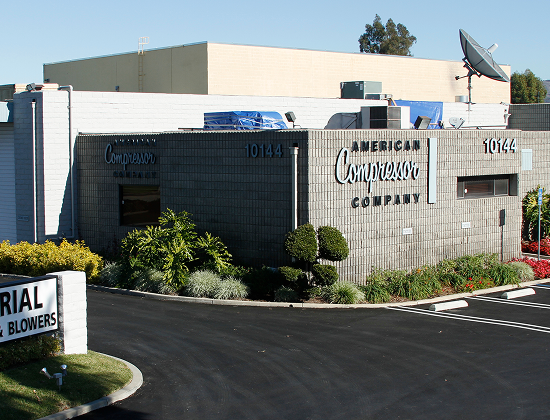
We support wastewater and water treatment operators from Santa Fe Springs. We sell and service Roots blowers and Kaeser compressors, including new equipment, rebuilds and parts.
If your facility needs a blower, instrument-air compressor or maintenance review, describe the process duty, existing equipment and operating conditions. Contact us to discuss a site-specific solution before specifying a replacement.