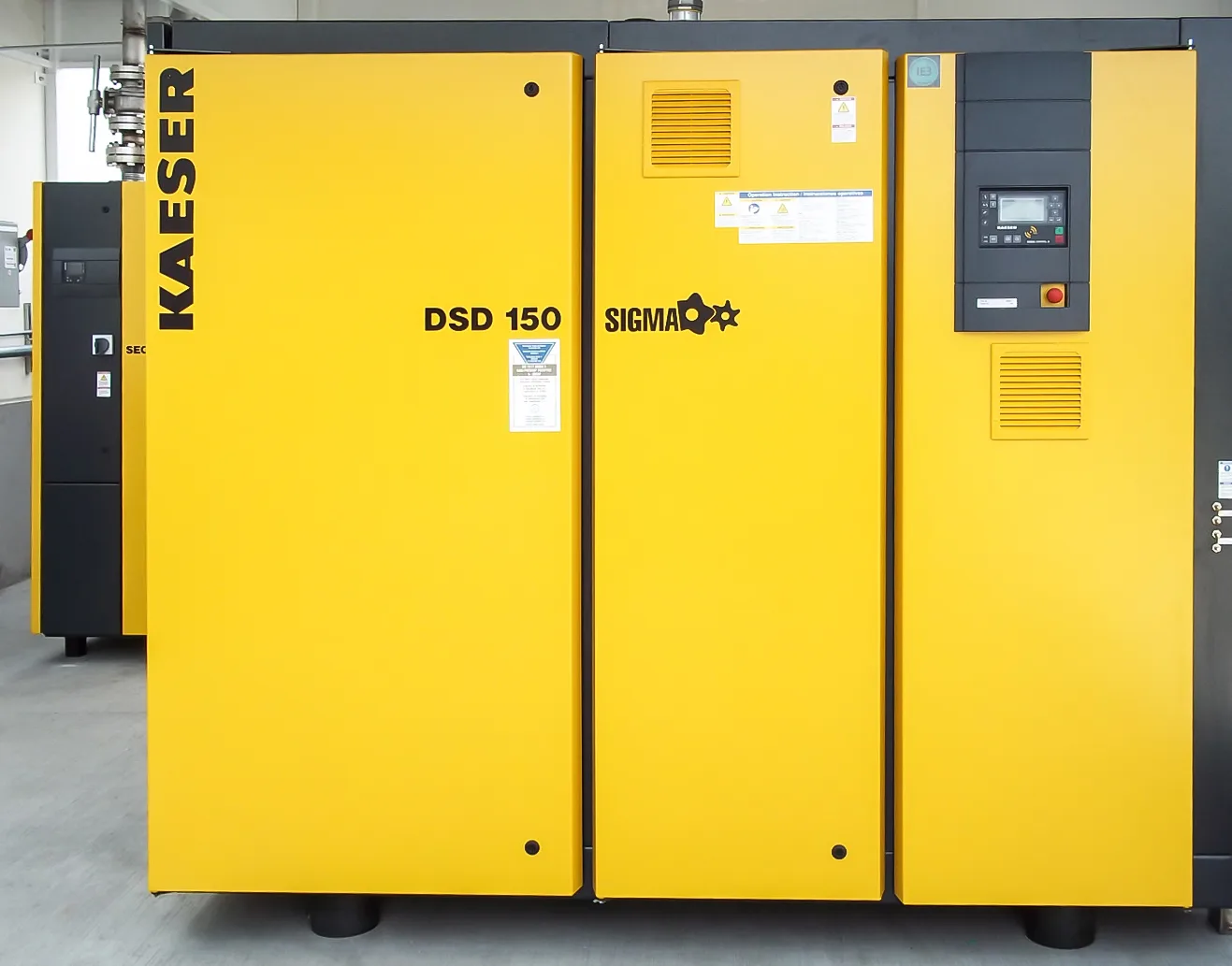
A new CNC machine can be ready for delivery while one practical question remains unanswered: will the shop’s compressed air system support it during a busy shift? The compressor may have spare capacity on paper, but the important reading is the supply available where the machine connects.
When we discuss air compressors for CNC machine shops in Los Angeles, we start with the machine requirements, the work schedule and the existing system. Those details are more useful than choosing a compressor by horsepower or copying the setup in a neighboring shop.
Here is what to gather before requesting a quote, whether you are adding one machine or planning a larger move.
Build a requirement sheet for each machine
Collect the installation manual for the exact model and its options. Record the manufacturer’s required air pressure, airflow, connection size and air-quality instructions. Include peripheral equipment that also draws air, such as automation or auxiliary tools.
Haas, for example, publishes air requirements in its model-specific pre-install guides and calls for a clean, dry supply. Those instructions are a source for that machine, not a universal specification for every CNC installation. Confirm requirements with the machine supplier when documentation or options are unclear.
Keep units and reference conditions with the numbers. A flow figure without its pressure or measurement basis can be misleading. Send the original specification pages with your summary so the compressor supplier can resolve ambiguities before equipment is selected.
Describe what runs together
A list of connected machines does not explain how the shop uses air. Record which machines work simultaneously, how shifts change and when other equipment draws on the same header. Include predictable production changes and known periods of high demand.
If pressure drops are already occurring, record when and where they happen. A problem during simultaneous machine cycles may require a different investigation from low pressure throughout an entire shift. Existing system measurements can help separate a supply limitation from a distribution problem.
Our compressed air system analysis service provides a way to investigate demand and operating behavior before committing to a larger compressor. The point is to understand the shop’s requirement, rather than make an equipment purchase serve as a test.
Check pressure at the connection
Pressure at the compressor is not necessarily the pressure available at a machine during a demand event. Restrictions in filters, fittings, hoses or pipework can reduce what reaches the point of use. Document the route from the compressor room to the affected equipment.
The Department of Energy’s compressed air guidance treats distribution losses and storage as system issues. Storage can help with short demand peaks, while appropriately designed distribution reduces avoidable losses. Neither should be chosen without understanding the event you are trying to manage.
Ask the supplier where readings will be taken and under which production conditions. Simply increasing the compressor pressure may hide the symptom while leaving a restriction in place. Any adjustment must also respect the connected equipment’s limits.
Specify drying and filtration with the compressor
Use each machine manufacturer’s requirements to define the air quality needed at its connection. A dryer, filters, drains and distribution piping all contribute to the result. Do not assume that ordering a new compressor automatically resolves moisture or contamination downstream.
Ask how treatment equipment is sized for the proposed airflow and operating conditions. Confirm its maintenance access and how condensate will be managed. If different equipment needs different air quality, have the supplier explain the proposed arrangement.
Our compressed air treatment guide introduces these components. For a machine purchase, the next step is to match that general system knowledge to the exact equipment specification and installation layout.
Choose controls around the shop’s demand
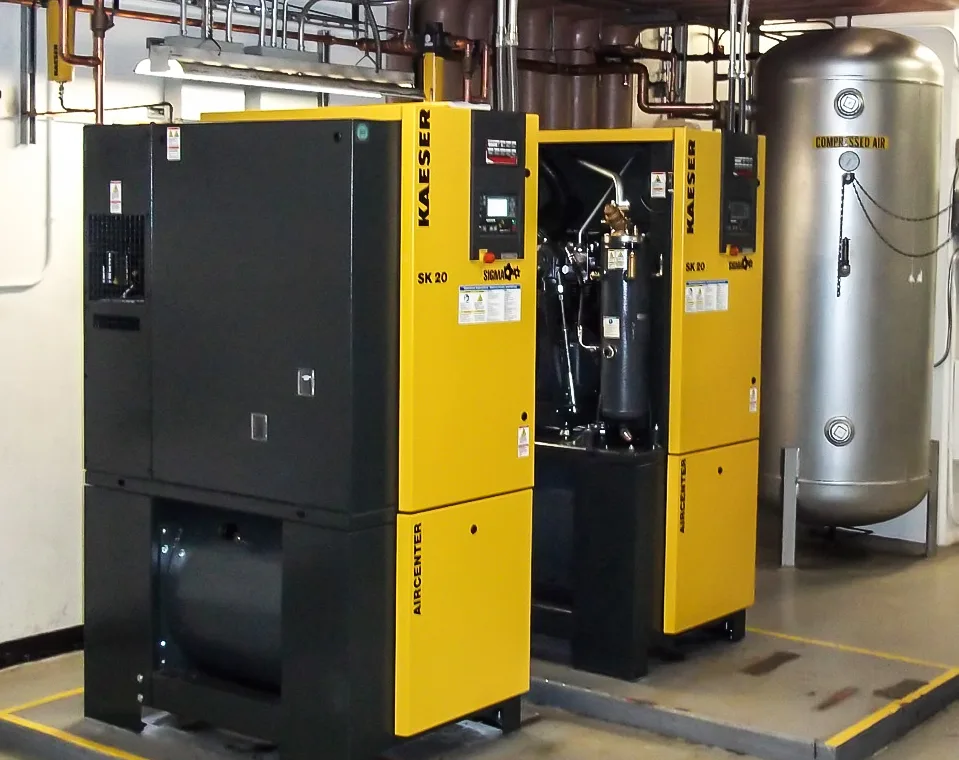
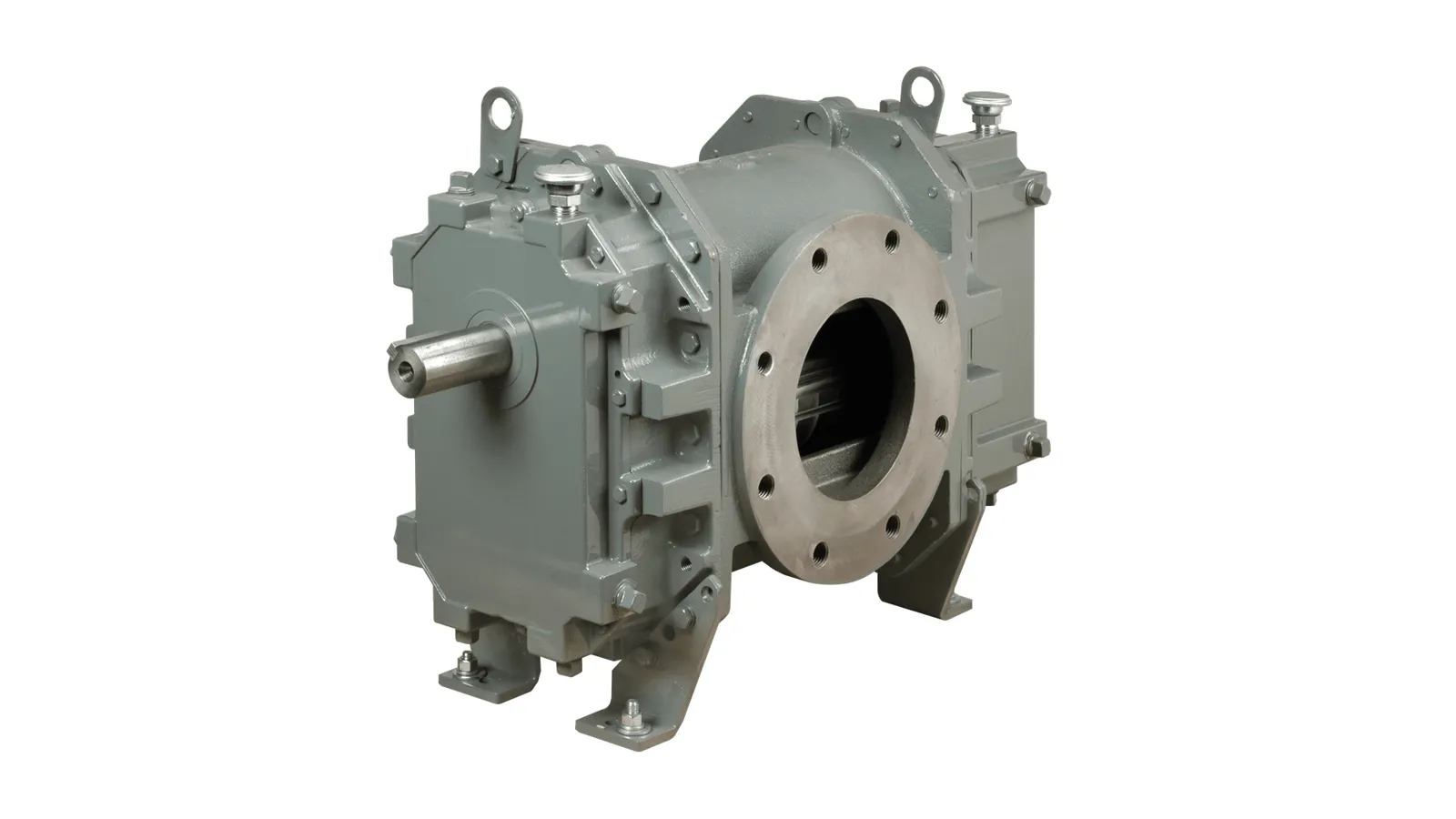
A rotary screw compressor may be worth considering for sustained industrial demand, but the selection still depends on the duty. Ask how the proposed system behaves during full production, reduced shifts and breaks in demand.
Compare fixed-speed and variable-speed options using the expected load profile and total system arrangement. Include existing compressors if they will remain in service. A variable-speed label alone does not establish which configuration will cost less to operate in your shop.
Also discuss an orderly response to a compressor outage. Decide which machines must keep running, what capacity is essential and whether temporary equipment or another arrangement is practical. Make that a planned decision rather than an assumption.
Plan installation before the delivery date
Your compressor quote should define equipment, treatment, pipework, electrical work and commissioning responsibilities. Confirm who coordinates the compressor installation with the machine installer and who checks the supply before the first production run.
Record the agreed acceptance conditions and keep the results with the machine documentation. For an expanding shop, leave a clear record of which capacity assumptions included future machines. The next purchasing decision will be easier when those assumptions are visible.
Frequently asked questions
How large should a CNC shop’s compressor be?
There is no single size for every shop. Use the exact machine requirements, simultaneous demand, operating pressure and treatment needs to develop a system specification.
Does low machine pressure mean I need a larger compressor?
Not necessarily. Measure the system during the problem. Restrictions, demand peaks, controls or inadequate supply may require different solutions.
What should I send with a request for quotation?
Send machine manuals, air requirements, production hours, a basic layout, existing compressor details and any plans for additional machines.
Plan your next machine with our team
We help Los Angeles County businesses select Kaeser equipment and plan compressor installation and service. Contact American Compressor with your machine requirements and current setup. We can review the supply and installation questions before the new machine arrives.