Kaeser vs. BOGE compressor: what Los Angeles industrial buyers need to know
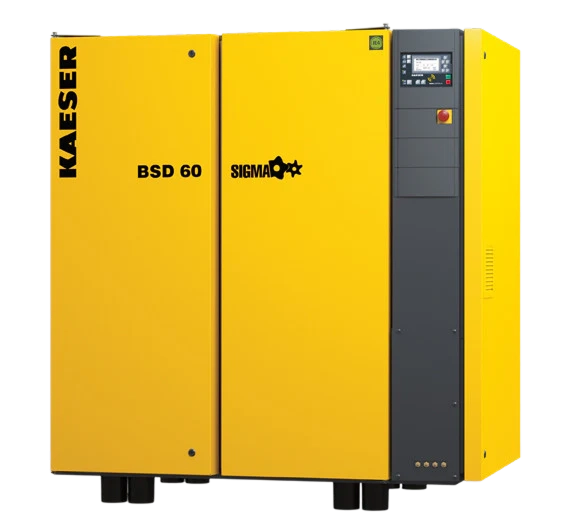
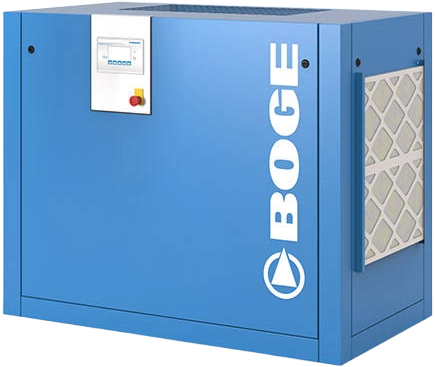
Kaeser vs. BOGE compressor is a German-to-German comparison. Both are independent, family-owned manufacturers with deep engineering reputations in Europe. The practical difference for an LA buyer is service network density on this side of the country, where Kaeser has a far larger authorized presence.
BOGE's market position
BOGE was founded in 1907 and is well-regarded in Europe, with the S-Series and C-Series rotary screw lines and a high-speed turbo oil-free product launched in 2025.
BOGE's North American authorized service coverage is limited. In Los Angeles County, locating an authorized BOGE service technician with local parts stock is the practical challenge.
Kaeser is German, independent, and has the broader US service network for a non-conglomerate manufacturer.
Kaeser's advantage in Los Angeles
Both manufacturers build efficient rotary screw equipment. The Kaeser advantage in LA is not just the product, it is the supporting ecosystem of stocked parts, local technicians, and 24/7 emergency response.
High energy cost per CFM
Kaeser's Sigma Profile rotors deliver 10-20% less energy consumption than conventional rotors of the same air delivery capacity. SK and AS series are up to 30% more efficient than the competition overall.
Inefficient part-load operation and unnecessary compressor starts
The Sigma Control 2 controller is standard on all Kaeser screw compressors. It monitors 20+ critical operating parameters, equalizes runtimes across multiple units, extends maintenance intervals, and prevents unnecessary compressor starts.
Which brand makes sense for your LA facility
If you have a multi-site European operation that already runs BOGE, continuity may be the right argument. For a Los Angeles-only buyer making a fresh decision, local service density usually decides.
American Compressor Company has served Los Angeles County manufacturers for more than 60 years from our Santa Fe Springs facility. We stock common Kaeser parts locally, dispatch factory-trained technicians for 24/7 emergency response, and write preventive maintenance plans without complicated long-term contracts.